Your 2012 diesel is sitting in the driveway leaking optimism and failing emissions checks. The government says there's €10,000 waiting for you to go electric. Simple, right?
Not quite. Ireland's EV scrappage scheme is real, it's funded, and it has already helped drivers make the switch. But it comes with eligibility hoops, budget limits that move faster than a Tesla on a clear motorway, and a timeline that rewards the people who read the small print. Here's what you actually need to know.
What the Scheme Is (and What It Isn't)
The scheme sits under the SEAI's broader EV grant structure and combines a scrappage incentive with existing purchase supports. The headline figure of €10,000 gets thrown around a lot. That number is the maximum possible saving, not a guaranteed cheque. It stacks multiple supports together: the SEAI new EV grant (currently €3,500 for private buyers), a scrappage bonus for retiring an older ICE vehicle, and in some cases VRT relief on top.
The scrappage element specifically adds up to €3,000 on top of your SEAI grant when you trade in and scrap a qualifying older car. So the real question isn't "do I get €10,000" but "how many of these layers do I actually qualify for."
Who Actually Qualifies
This is where a lot of people hit the wall. The core eligibility criteria for the scrappage bonus are tighter than the headline suggests.
Your old car needs to be registered before January 2014. It needs to be in your name, and you need to have owned it for at least 12 months before the application. It has to be a private passenger car, not a van or commercial vehicle. And crucially, it has to be scrapped through an Authorised Treatment Facility, not just traded in at a dealer. The dealer may handle this for you, but "trading in" and "scrapping" are not the same thing legally or financially.
The new EV you're buying must be brand new, not second-hand. Used EVs have their own grant pathway but it's a different stream entirely. The new car must be under a certain price threshold too: SEAI's main grant cuts out above €60,000 on the list price.
If you're buying something like a base Renault 5 E-Tech or a BYD Atto 3, you're well inside that limit. Step up to certain premium models and you start losing eligibility on the SEAI portion. Worth checking the new electric cars launching this year in Ireland before you get attached to a spec sheet.
How the Numbers Stack Up in Practice
Let's run a real example. You own a 2013 Volkswagen Passat 2.0 TDI with 185,000km on it. It's worth maybe €2,500 on a good day at a dealer. You want to buy a new Hyundai Ioniq 6 Standard Range at approximately €42,000 list price.
Here's what you could be looking at:
- SEAI new EV grant: €3,500
- Scrappage bonus (if your Passat qualifies): €3,000
- VRT relief on the new EV: this varies by model but can run to several thousand euro depending on CO2 band
The VRT relief for EVs is linked to Ireland's CO2-based car tax bands and is currently set at €5,000 relief for new battery electric vehicles. Stack those three together and you're looking at €11,500 in combined supports before a single word of negotiation with the dealer.
That's where the "up to €10,000" figure comes from in marketing, though the actual combined maximum with VRT is higher in some scenarios. The honest version is: most qualifying buyers in the middle of the market are saving €8,000 to €11,500 total. That's not nothing.
The Timeline Problem Nobody Talks About
Here's the bit that catches people out. The €10M scrappage fund is not a permanent fixture. It operates on allocated budget cycles, and when the money runs out, the scrappage bonus element closes. The SEAI grant and VRT relief are separate and more stable, but the specific scrappage top-up is finite.
In previous years, similar targeted schemes burned through their allocation faster than the Department of Finance expected. The pattern is consistent: applications surge in the second half of the year as people come out of the summer fog and start thinking about January car changes.
If you're seriously considering making the move, the practical advice is to get your paperwork in order now. Get your existing car valued, confirm its registration date, check SEAI's online portal for current open applications, and have a conversation with a dealer who handles the grant process regularly. They know the system and they know when the queue is building.
Waiting until October to start the process is a gamble. Not a disaster-level gamble, but the kind where you might find the scrappage bonus has closed and you're left with just the base SEAI grant and VRT relief. Still useful. Just not the full package.
The Charging Question You Should Answer Before You Apply
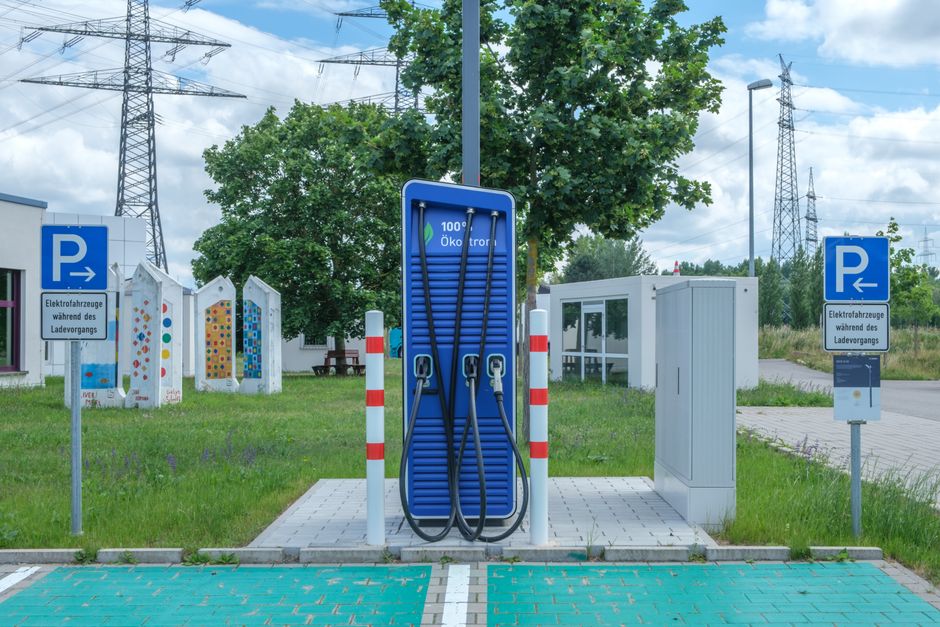
Scrappage support gets you into the car. What happens after that is on you. The EV charging network in Ireland has improved dramatically but it remains patchy outside the main corridors. If you're in a house with a driveway, home charging solves most of your daily needs immediately. If you're in an apartment or relying on public infrastructure for regular top-ups, do that research before committing.
The grant doesn't cover the cost of a home charger installation either. Budget separately for that, typically €800 to €1,200 depending on your setup, though SEAI also has a separate EV home charger grant of up to €300.
What to Do Right Now
Check the SEAI grants portal and confirm current open status. Dig out your car's registration document and confirm the first registration date. If it's pre-2014, you're in the conversation. If it's 2014 or later, you'll still benefit from the base SEAI grant and VRT relief on a new EV purchase, just not the scrappage bonus on top.
Get at least two dealer quotes that itemise how they're applying the grants. Some dealers are better at navigating the paperwork than others. The saving is real, but only if the process is done correctly.
Your 2012 diesel isn't getting younger. Neither is the scrappage fund.